Eating Well on a Budget in Barcelona’s Local Markets
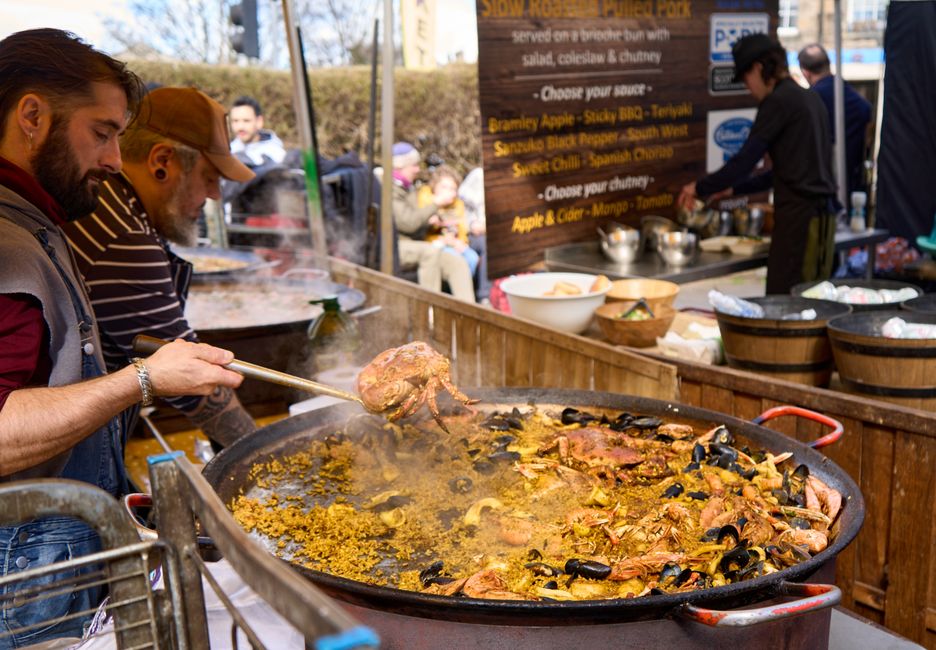
Barcelona’s local markets are more than just places to buy groceries; they are vibrant hubs of culinary culture where visitors and residents alike can explore a wide range of food options. From the iconic La Boqueria to the quieter neighborhood markets scattered across the city, these spaces offer an accessible way to experience Catalan cuisine without straining a travel budget. With thoughtful planning and a willingness to explore, anyone can enjoy fresh produce, prepared meals, and tapas in a setting that emphasizes local ingredients and traditional preparation methods.
The process of eating well on a budget in Barcelona’s markets begins with understanding how each market is organized and what it typically offers. La Boqueria, located off Las Ramblas, is the most famous, but smaller markets such as Mercat de Sant Antoni, Mercat de la Barceloneta, and Mercat de Santa Caterina provide their own unique advantages. Each market has its own rhythm, pricing structure, and specialty offerings. By learning how to navigate these differences, visitors can make informed choices that align with both their taste preferences and their spending parameters.
Understanding Barcelona’s Market Culture
Barcelona’s market culture is deeply rooted in the city’s social and culinary traditions. Markets have historically served as gathering places where local farmers, fishermen, and artisans bring their goods directly to the community. This model allows for a direct connection between producers and consumers, which often results in fresher ingredients at more moderate prices compared to supermarkets or tourist-oriented restaurants. The layout of a typical Barcelona market includes dedicated sections for fruit and vegetables, meat and poultry, fish and seafood, and a variety of prepared food counters and small bars.
One of the key aspects of market culture in Barcelona is the concept of “tapeo,” or sharing small plates. Many markets have tapas bars integrated into their spaces, where customers can order a few dishes and a drink without committing to a full meal. This approach can be particularly budget-friendly, as it allows diners to sample multiple items while controlling portion sizes and total cost. Additionally, markets often host seasonal events and cooking demonstrations, which can provide further insight into local food traditions and ingredient usage.
La Boqueria: A Central Hub for Budget Dining
La Boqueria is perhaps the most well-known market in Barcelona, drawing crowds from around the world. While its popularity can lead to higher prices in some stalls, there are still numerous opportunities for budget-conscious eating. The market is organized with fresh produce stalls at the entrance, followed by meat and seafood counters, and finally an array of prepared food vendors and small bars toward the back. Visitors who arrive early in the morning, around 9:00 AM, often find a more relaxed atmosphere and a wider selection of items at standard prices.
The prepared food counters in La Boqueria offer a range of options, from ready-to-eat salads and sandwiches to hot dishes such as paella, grilled vegetables, and seafood platters. Many of these counters allow customers to choose a combination of items, which can be an economical way to assemble a satisfying meal. The small bars located at the periphery of the market are another option; they typically serve traditional tapas like patatas bravas, jamón ibérico, and anchovies at prices that are often lower than those in the central aisles. It is common for stalls to display their prices clearly, and visitors can compare options before making a purchase.
One practical approach is to allocate a set amount for a market visit and then explore different sections, selecting a few items from various stalls. For instance, a piece of fruit from a produce stand, a small portion of cheese from a dairy counter, and a slice of tortilla from a bar can form a varied and affordable meal. This method also allows for tasting a broader range of local specialties without the need to sit down at a formal restaurant.
Neighborhood Markets: Beyond the Tourist Path
While La Boqueria is a must-see, Barcelona’s neighborhood markets offer a more local and often less expensive alternative. Mercat de Sant Antoni, recently renovated, is a prime example. It features a large central hall with fresh produce, meat, and fish, as well as a separate area for prepared foods and a lively tapas bar scene. Prices here are generally lower than those at La Boqueria, and the market is less crowded, making it easier to browse and interact with vendors.
Mercat de la Barceloneta, located near the beach, specializes in seafood and has several small bars where visitors can enjoy fresh catches at reasonable prices. The market’s focus on local fish and shellfish reflects the neighborhood’s fishing heritage. Similarly, Mercat de Santa Caterina, in the El Born district, is known for its colorful architecture and a good selection of organic and specialty products. These smaller markets often have a more relaxed pace, and vendors may be willing to offer samples or suggest preparation methods.
For those who prefer to cook their own meals, neighborhood markets are excellent sources of fresh produce, bread, and pantry staples. Many stalls sell seasonal fruits and vegetables in bulk, which can be used to create simple meals in a rented apartment or hostel kitchen. This approach not only reduces food costs but also provides an opportunity to experiment with local ingredients such as romesco sauce, pan con tomate, or grilled calçots when in season.
Practical Tips for Eating Well on a Budget
Several general strategies can help visitors make the most of Barcelona’s markets without exceeding their budget. One is to focus on seasonal produce, which tends to be both more flavorful and more affordable. Vendors often have special offers on items that are in abundance, and asking about daily specials can lead to unexpected savings. Another strategy is to visit markets later in the afternoon, when some stalls may reduce prices on perishable goods to avoid waste.
Sharing dishes is a common practice in Barcelona, and it applies equally to market dining. Ordering a few tapas to split among a group allows everyone to taste different items while keeping individual costs low. Many tapas bars in markets offer “menú del día” options during lunch hours, which include a starter, main course, dessert, and a drink for a fixed price. These set menus are often an economical choice and provide a structured way to sample a variety of dishes.
It is also worth noting that markets are cash-based environments in many cases, so having sufficient local currency on hand can streamline transactions. While some vendors accept cards, smaller stalls may prefer cash. Additionally, carrying reusable bags or containers can be useful for carrying purchases and reducing waste. Observing how locals shop—for example, by selecting individual fruits rather than pre-packaged bags—can provide insights into practical cost-saving habits.
Integrating Markets into Your Barcelona Experience
Markets can be seamlessly integrated into a day of exploration in Barcelona. A morning visit to a market can supply ingredients for a picnic lunch at a nearby park, such as Parc de la Ciutadella or Parc de Montjuïc. Many markets have small seating areas or nearby squares where visitors can enjoy their purchases immediately. Combining a market visit with a walk through the surrounding neighborhood often reveals additional culinary spots, such as bakeries, olive oil shops, or chocolate makers.
For those interested in a more structured approach, some local guides offer walking tours that focus on market culture and highlight budget-friendly options. These tours typically include stops at multiple stalls and provide background on the history and customs of each market. While not necessary, such tours can help visitors unfamiliar with the market layout navigate efficiently and discover hidden gems. Ultimately, the key to eating well on a budget in Barcelona’s markets lies in taking the time to explore, asking questions, and being open to trying new combinations of flavors and textures.